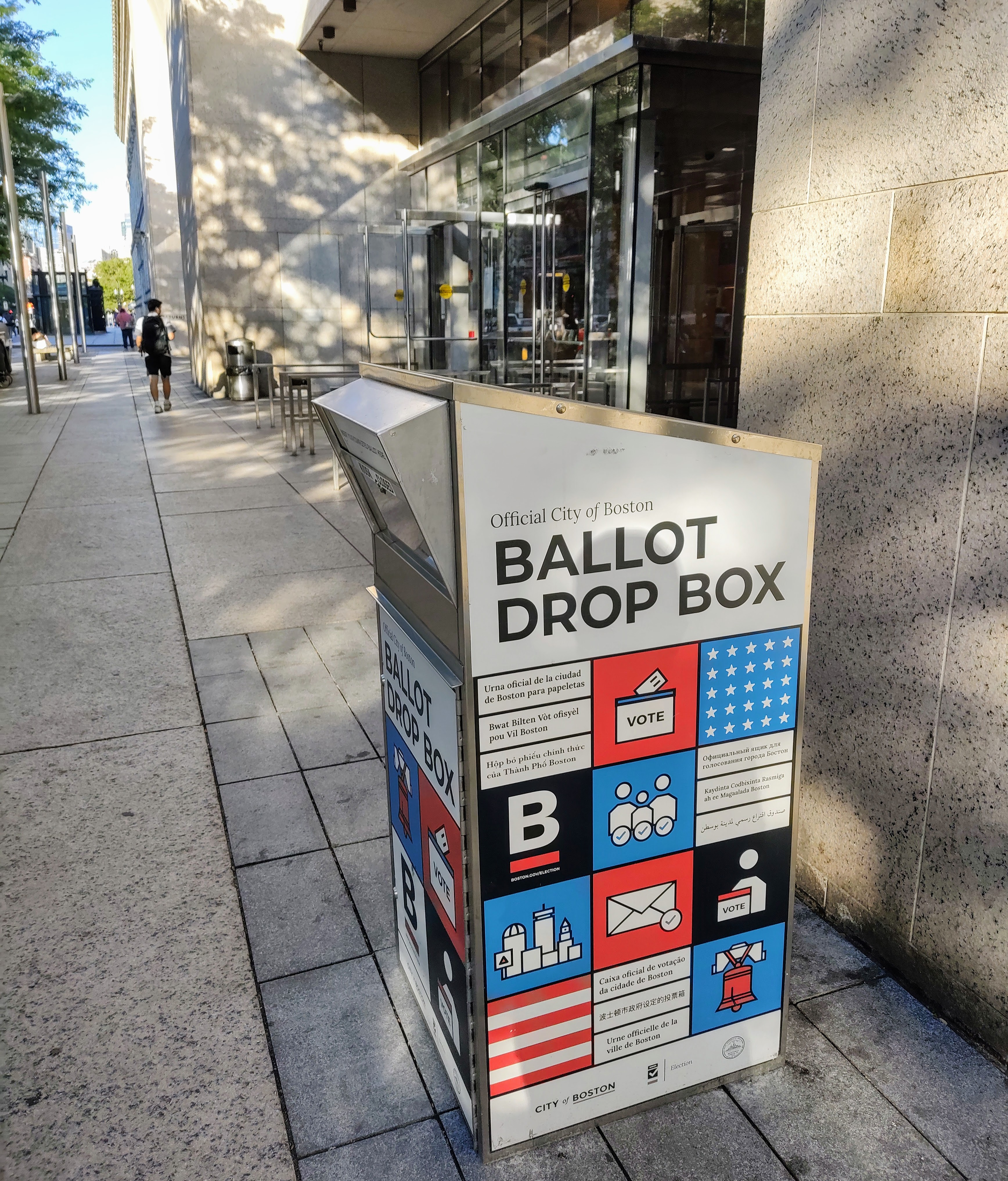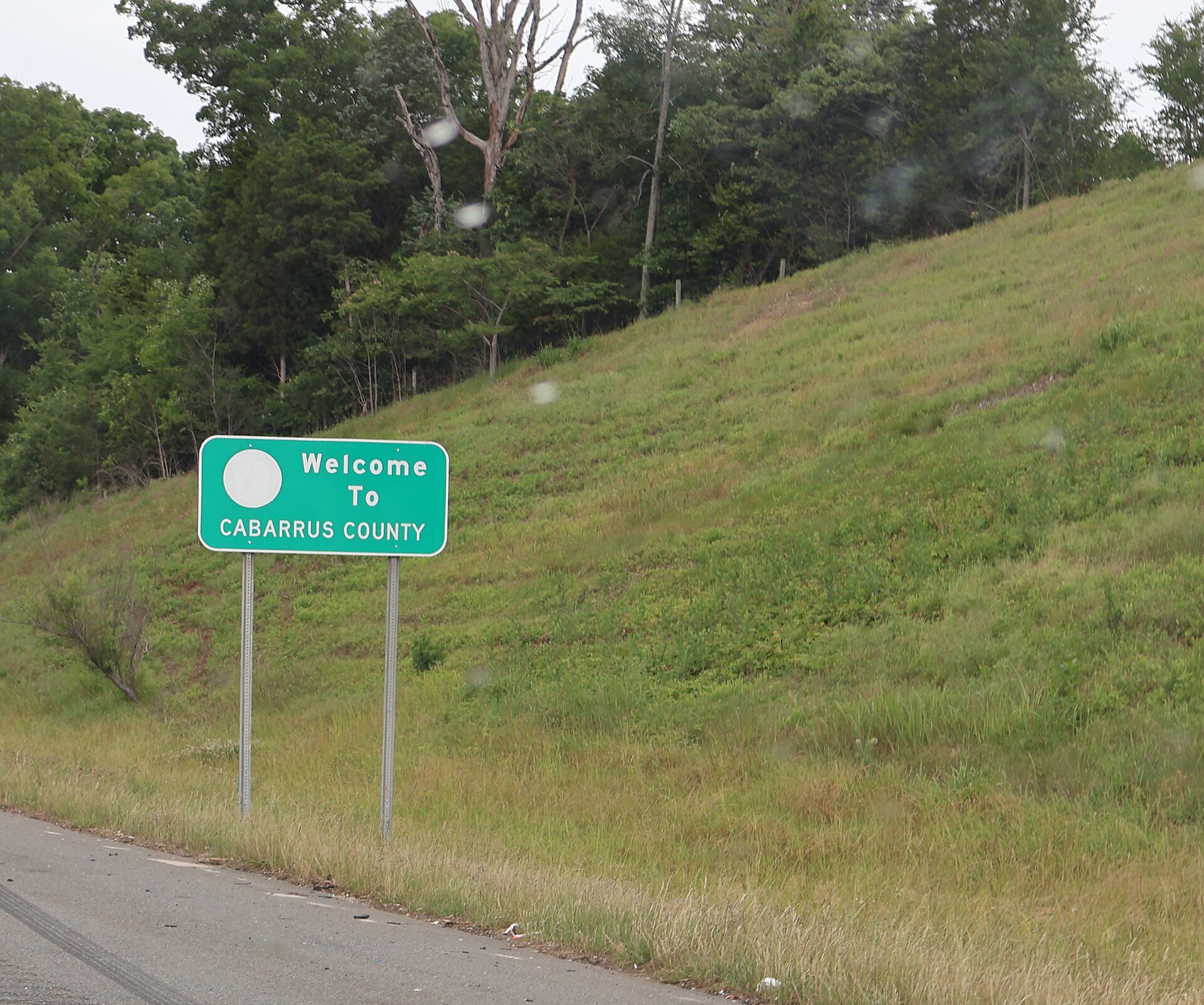
Cabarrus County residents heading to the polls Tuesday, Nov. 3, will vote on a proposed constitutional amendment that could limit how much property tax revenue their local governments collect.
The amendment is one of three constitutional questions on the statewide ballot. If approved, it would require the North Carolina General Assembly to pass laws capping growth in local property tax levies, according to WCNC. That means Concord, Harrisburg and Cabarrus County would all face new state-imposed limits on the property tax revenue they raise each year.
The catch: the amendment does not set a specific cap. It does not spell out how much revenue could grow, how the formula would work or whether exceptions would apply for schools, public safety or voter-approved projects, according to a Cabarrus Regional Chamber of Commerce impact brief published Oct. 23. Those details would be left to state lawmakers.
What a levy limit means
North Carolina already caps the property tax rate local governments can charge at $1.50 per $100 of assessed value. No county currently hits that ceiling, according to a Maynard Nexsen legal analysis published in July.
A levy limit is different. It caps the total revenue a local government can collect from property taxes, regardless of how much property values rise. If rising home values or new development push revenue past the cap, the local government would need to lower its tax rate, the Chamber brief stated.
That distinction matters for homeowners. Limiting a county's overall collections does not guarantee an individual tax bill will go down, WCNC reported.
Why it matters locally
Cabarrus County's population grew 9.2% between 2020 and 2024, adding nearly 21,000 residents, according to the county's adopted FY2026-27 budget. That growth is projected to reach an additional 10.2% by 2030.
The county already faces financial pressure. Its adopted FY27 budget totals $560.9 million across all funds and maintains a tax rate of 57.6 cents per $100 of assessed value. Owners of a median-value home ($361,120) pay $2,080.05 a year in county property tax.
County budget documents warn that FY27 "may be the final year existing service levels can be sustained across all areas without additional revenue." Five-year projections estimate shortfalls of $10.8 million in FY28, climbing to $43.1 million by FY31.
Those projections are driven by growth in education spending, personnel costs and service demands. The adopted budget noted that "potential state-level legislation may also impact local tax levy options, adding further uncertainty to long-term revenue planning."
Both sides
Supporters of the amendment, including Republican state lawmakers, said it would protect residents in growing areas from sticker shock when property is reassessed and local tax rates also rise, WRAL reported. An Elon University poll conducted in August found 72% of likely voters favored the amendment, with 14% opposed and 14% unsure.
Opponents, including some county and city leaders and Democratic lawmakers, have said the amendment could restrict local governments' ability to fund services as communities expand, WRAL reported. Mecklenburg County Commissioner Mark Jerrell told WCNC he is concerned the amendment could restrict local governments' ability to raise revenue needed for public services.
"I think if it's approved, it really ties the hands of local government," Jerrell said.
Organizations such as the North Carolina League of Municipalities have warned that levy limits could lead to lower bond ratings, higher borrowing costs and forced cuts to services like public safety, according to the Maynard Nexsen analysis.
How to vote
Election Day polls open at 6:30 a.m. Tuesday, Nov. 3, and close at 7:30 p.m. Voters in line by 7:30 p.m. will be allowed to cast ballots. A "yes" vote would amend the state constitution to require the General Assembly to establish levy limits. A "no" vote would leave the existing framework in place.