North Carolina voters approved a constitutional amendment requiring state lawmakers to establish limits on increases in local property-tax levies.
The measure received 2,492,891 votes in favor, or 60.42%, and 1,632,769 against, or 39.58%, according to unofficial N.C. State Board of Elections returns checked Nov. 5. All 2,626 precincts reported. The totals remain subject to certification.
In Cabarrus County, the county returns showed 55,753 votes for the amendment and 29,581 against, with all 38 precincts reporting.
Lawmakers must set the details
The amendment’s text directs the General Assembly to enact laws limiting how much property-tax levies may increase and allows exceptions. It does not itself establish a percentage cap, growth formula or list of exemptions.
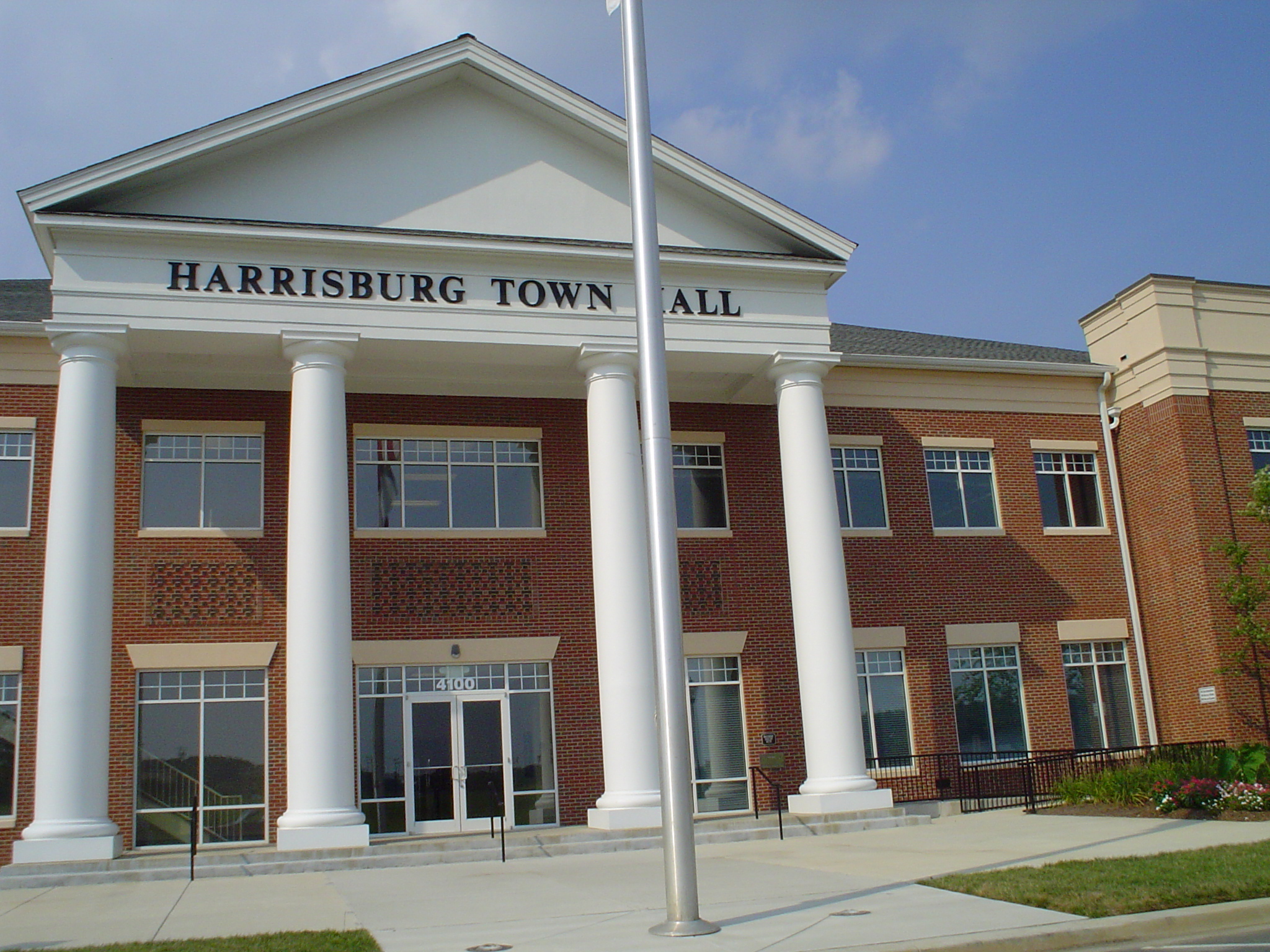
That leaves decisions about inflation, population growth, new construction and treatment of debt or emergencies to implementing legislation. The election result alone does not specify a new Concord, Harrisburg or Cabarrus County tax rate.
A levy limit differs from a limit on a bill
A levy is the total amount of property-tax revenue a government raises. A levy limit restricts growth in that total, rather than directly capping the tax bill for each property.
As Orange County’s explanation of the statewide proposal notes, individual bills can still change differently because of property assessments, revaluations and changes in the tax base. The amendment does not guarantee that every homeowner’s bill will stay flat or rise by the same amount.
The eventual local effect will depend on the laws lawmakers adopt. A limit that allows revenue to grow more slowly than costs could put pressure on budgets; the amendment by itself does not identify particular service cuts.
For Cabarrus-area residents, the next policy decisions to watch are the levy-growth formula and any exceptions the General Assembly includes in the implementing law.