Save the Children’s rural child-wellbeing dashboard highlights gaps in family income and educational opportunity across North Carolina, as Cabarrus County leaders pursue their own early-learning priorities.
The nonprofit’s North Carolina dashboard lists a child-poverty rate of 23.3% in rural areas, compared with 15.7% in non-rural areas. Median family income is $77,567 in rural areas and $105,001 in non-rural areas, a difference of $27,434.
Its reading-and-language-arts comparison places rural students in grades three through eight about 0.82 of a grade level below their actual grade, compared with 0.41 in non-rural areas. These are aggregate comparisons drawn from existing data, not individual assessments of Cabarrus students.
Access varies by place
The dashboard project uses the Health Resources and Services Administration’s rural definition. Nationally, it reports that most rural children lack access to a childcare center within a 30-minute drive and that rural families earn nearly $30,000 less than non-rural families.
Those nationwide and state rural findings do not describe every community in Cabarrus County. Local conditions require county-level evidence and attention to the particular neighborhoods being served.
Cabarrus has identified early learning as a priority
Cabarrus Health Alliance’s 2025 community priorities include early childhood education, alongside behavioral health, housing and transportation. Residents emphasized affordable, high-quality childcare and identified workforce shortages and low provider wages as barriers to access.
The assessment process involved more than 1,200 survey participants and community focus groups, according to the alliance’s announcement.
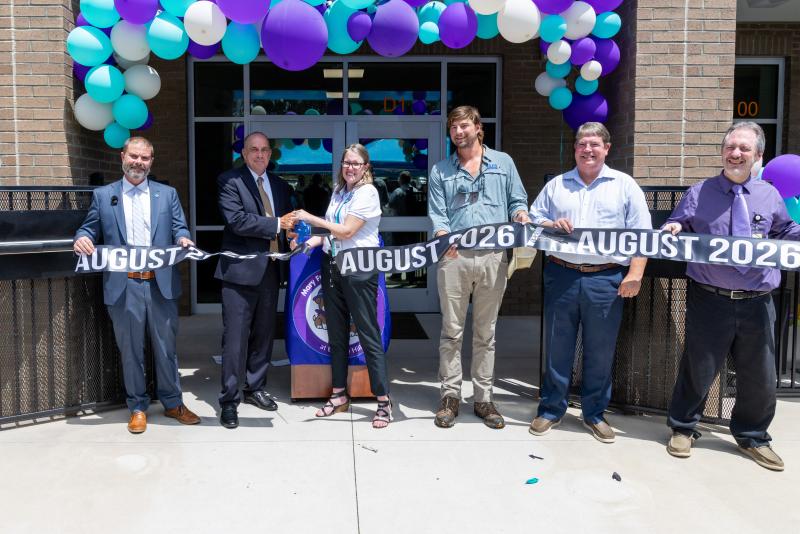
Cabarrus County Schools opened the Mary Frances Wall Center at Beverly Hills on Aug. 7, according to the district’s ribbon-cutting report. The Concord facility, on the former Beverly Hills Elementary campus, was designed to serve up to 300 Pre-K students.
The project includes 25,000 square feet of new construction and 10,000 square feet of renovated space, with specialized learning areas, support services and secure outdoor playgrounds. It replaces the previous center and expands space devoted to the county’s youngest learners.