Two adults in central North Carolina have died after contracting West Nile virus, the North Carolina Department of Health and Human Services (NCDHHS) announced Friday, Oct. 9.
North Carolina has recorded 11 human cases of the virus in 2026, according to CDC data reported by the Asheville Citizen-Times. The state did not release the specific counties where the two deaths occurred but warned residents to take preventive measures. NCDHHS said older adults and people with underlying health conditions face the greatest risk of severe illness and death.
Cabarrus County has seen its own West Nile activity this year. The Cabarrus Health Alliance confirmed that mosquitoes collected by Environmental Health staff on July 8, July 16 and July 20 all tested positive for the virus, WSOC-TV reported. The NCDHHS State Laboratory of Public Health identified the virus in mosquitoes from Cabarrus, Forsyth and Mecklenburg counties throughout July, noting those positive results came earlier in the summer than in past years.
No vaccine or specific medication exists to prevent or treat West Nile virus in humans.
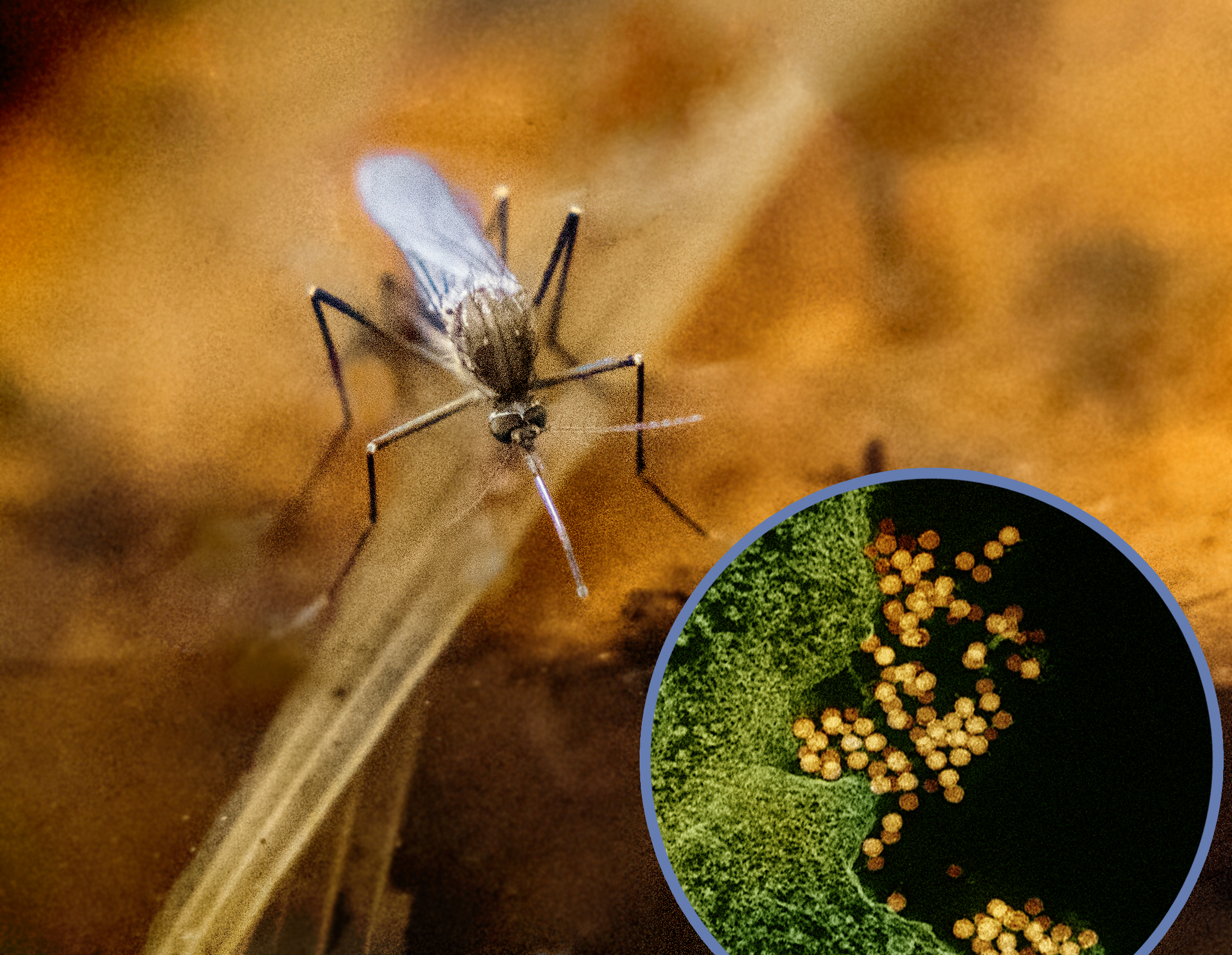
The virus is carried by wild birds and transmitted to people through infected mosquito bites. It does not spread person to person. Most people who contract it show no symptoms. About one in five develop fever, headache, body aches and joint pain, according to the News & Observer. About one in 150 develop serious neurological illness, including high fever, neck stiffness, disorientation, seizures and paralysis.
Michael Doyle, an NCDHHS public health entomologist, warned in August when the state confirmed its first 2026 case that the Charlotte region faced heightened risk. "Unfortunately, the primary species that carries West Nile in this area doesn't start biting until generally an hour after sunset," Doyle told Queen City News on Aug. 7.
The mosquitoes that most commonly transmit the virus are found statewide and are most active between dusk and dawn, according to NCDHHS. The agency recommends residents use EPA-registered repellent such as DEET, wear long sleeves and pants outdoors, limit activity between dusk and dawn and eliminate standing water from containers like flowerpot saucers, buckets and tires. Birdbath and pet bowl water should be changed regularly.
Earlier this summer, the Cabarrus Health Alliance offered free mosquito dunks at its Brown Mill and Kannapolis locations. Residents can call the alliance's Environmental Health Department at 704-920-1207 to confirm availability or request mosquito control services.
In 2024, North Carolina recorded 27 neuroinvasive West Nile cases and three deaths, which Hoodline reported was an all-time state record, citing NCDHHS data. State regulations require healthcare providers to report only the most severe neuroinvasive cases, meaning published tallies capture a fraction of actual infections.
West Nile virus typically circulates in North Carolina from July through October. Anyone who suspects infection should contact a healthcare provider, NCDHHS said.