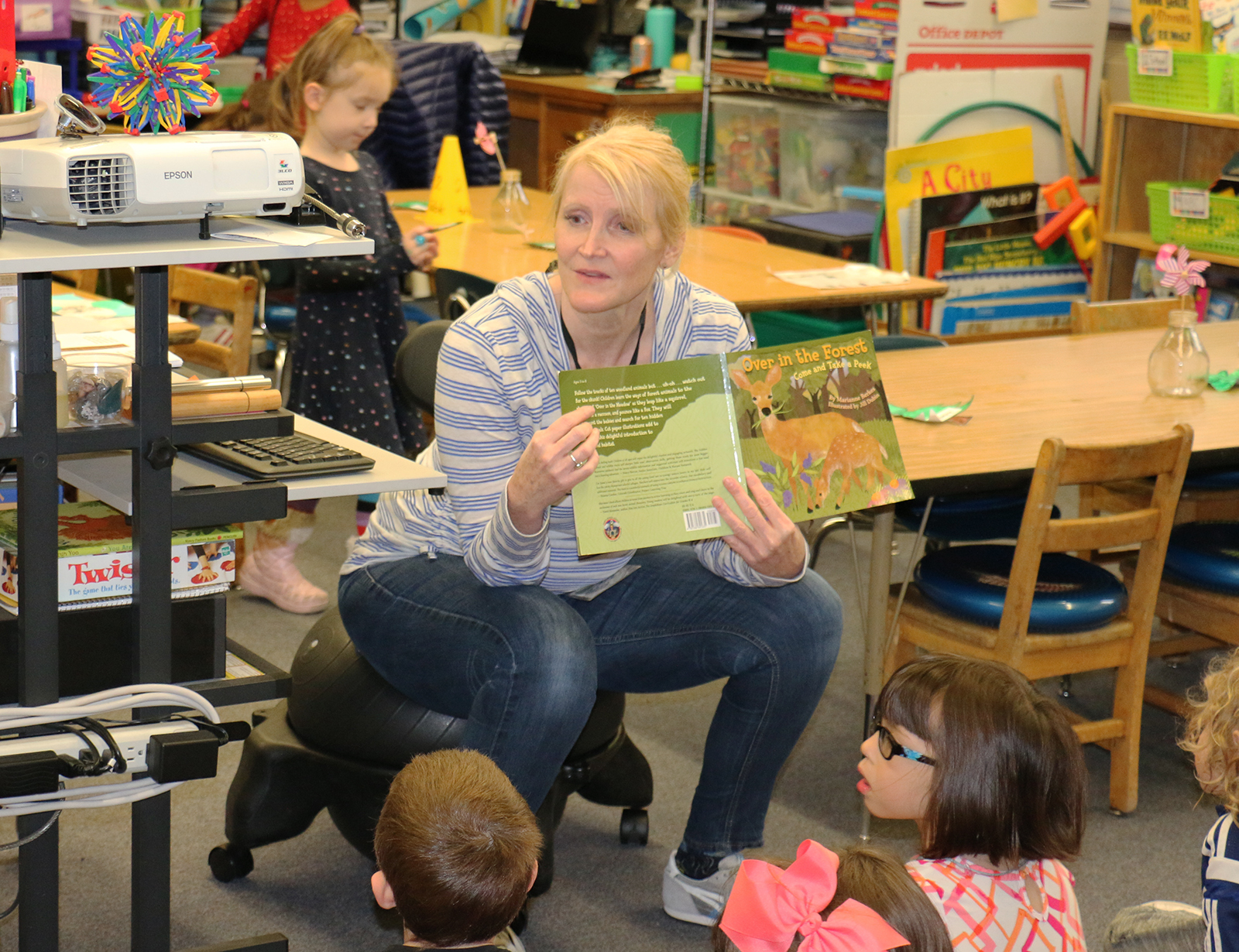
Children born during the COVID-19 pandemic are entering classrooms in Harrisburg with noticeable speech and vocabulary delays, according to educators at A.C.E. Academy.
Rahisha Clay, a teacher with more than a decade of experience at the school, said she noticed something different about this group of students. Clay and other staff reported speech and vocabulary gaps they attribute to pandemic-era isolation, as first reported by InvestigateTV. September 2025 marked the first school year with classrooms made up of children born in 2020.
Laila Minott, executive director of A.C.E. Academy, said the disparities are stark. "You have some kids that had a lot of educational resources and access while they were home with their parents," Minott said. "And then you have some kids that didn't have anything, and they barely know the ABCs."
Minott said babies' development suffered because isolation limited what they could see and learn from facial expressions and voices around them.
Johns Hopkins study finds modest delays
A Johns Hopkins Children's Center study published in April 2024 analyzed more than 50,000 parent questionnaires and found only modest delays in communication, problem-solving and personal-social skills among children ages five and younger. Fine and gross motor skills showed no change.
Dr. Sarah Johnson, a Johns Hopkins pediatrics professor and the study's corresponding author, said babies born in 2020 were not far off track. She said older children felt the pandemic's disruption differently, returning to classrooms without practice negotiating and sitting still. Johnson called the long-term implications unclear and said continued monitoring is needed.
The Nation's Report Card, released Jan. 29, 2025, showed about 40% of fourth graders scored below the NAEP Basic level in reading, the largest percentage since 2002. No state improved its reading scores between 2022 and 2024. The federal Department of Education has said it will prioritize grants for districts that expand high-dosage tutoring, according to InvestigateTV.
Local tutoring efforts take shape
Closer to home, a $75,000 grant from the Concord-based Mariam and Robert Hayes Charitable Trust is funding a new math tutoring program at Wolf Meadow Elementary School in Cabarrus County for the 2026-27 school year. Charlotte-based nonprofit Heart Math Tutoring plans to serve 50 students identified by school staff as needing extra math support, according to Cabarrus Compass.
For the first time, Cabarrus County Schools had no schools classified as low-performing by the state, making it the only one of North Carolina's 10 largest districts to reach that benchmark, the Independent Tribune reported.
Harrisburg educators told InvestigateTV that state dollars supporting tutoring can mean the difference between a student falling further behind or catching up. Heart Math Tutoring's launch at Wolf Meadow Elementary this fall will put 50 Cabarrus County students in one-on-one math sessions for the first time.