North Carolina's Advisory Council on Cannabis proposed banning THC consumption in parks, restaurants, bars, beaches and all other public spaces in a draft framework released Tuesday, Sept. 29.
The five-part proposal would also prohibit THC use in moving vehicles and block dedicated cannabis lounges from opening. Final recommendations are due to Gov. Josh Stein by Thursday, Dec. 31.
The framework is the council's first public draft of consumption rules since Stein created the panel through Executive Order No. 16 on June 3, 2025. The legislature would still need to pass enabling legislation before any rules take effect.
What the framework proposes
Kaycee Deen and Anne Doyle of the state Division of Public Health outlined the five draft recommendations, NC Newsline reported. Deen told council members the rules need their own framework because cannabis doesn't fit neatly under existing alcohol or tobacco law.
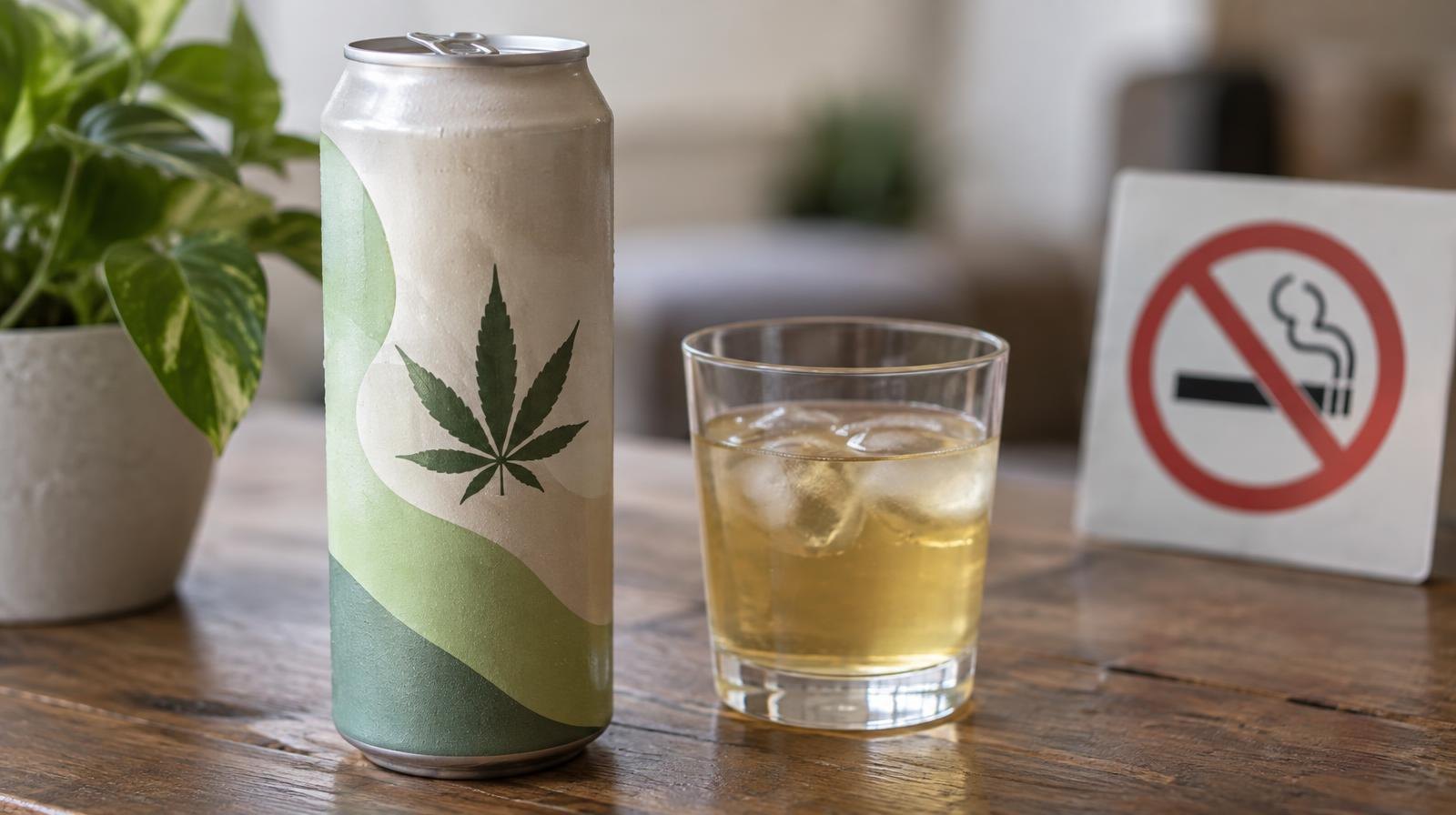
The first recommendation would ban all THC consumption in public places. That definition is broad: restaurants, bars, parks, beaches, event venues and government buildings.
One exception could let licensed restaurants sell THC beverages as on-premises menu items, similar to beer or mixed drinks. Buyers would need to be 21 or older, and serving sizes and THC content per serving would be capped.
"It's always easier to restrict something at the beginning and then open up those laws later," Deen said at the Tuesday, Sept. 29 meeting.
Homeowners could consume cannabis in their private residences. Renters would remain subject to landlords' smoke-free policies, and homeowners associations and condominium boards could impose their own restrictions.
The second recommendation would ban THC consumption in moving vehicles for both drivers and passengers, along with open THC containers in the passenger area. The proposed rule would not require proof of impairment to enforce.
The third would block dedicated cannabis consumption lounges. The fourth would preserve the authority of private housing providers to restrict cannabis use. The fifth would make civil infractions or fines the default enforcement tool.
Enforcement concerns
Roxboro Police Chief David Hess, a council member, raised a flag about the civil-fine approach. North Carolina municipal police do not have statutory authority to enforce civil laws, he said. That power belongs to sheriffs' departments, and expanding it to local officers would require significant training.
Col. Freddy Johnson, commander of the North Carolina Highway Patrol, shared Hess's concern but said many of the state's existing open-container laws for alcohol could be adapted for cannabis.
What it means for Concord and Harrisburg
If the legislature acts on the council's recommendations, Concord and Harrisburg would likely need to update local ordinances. Concord already regulates the cannabis retail landscape. In April 2024, the Concord City Council restricted tobacco and hemp retail, including THC products, to the C-2 Commercial General zoning district only, according to city council records. Neighborhood-oriented commercial districts are off-limits.
A statewide public consumption ban would add another regulatory layer for local governments to implement.
No statements from Concord or Harrisburg officials on the framework have appeared in public records. The state legislature's willingness to act remains uncertain. The Senate passed the Compassionate Care Act 36-10 in March 2023, but medical marijuana bills have repeatedly stalled in the House.
Council subcommittees will meet through October and November to refine the proposals before the Dec. 31 deadline. Cannabis has not appeared on any upcoming Concord or Harrisburg council agenda.