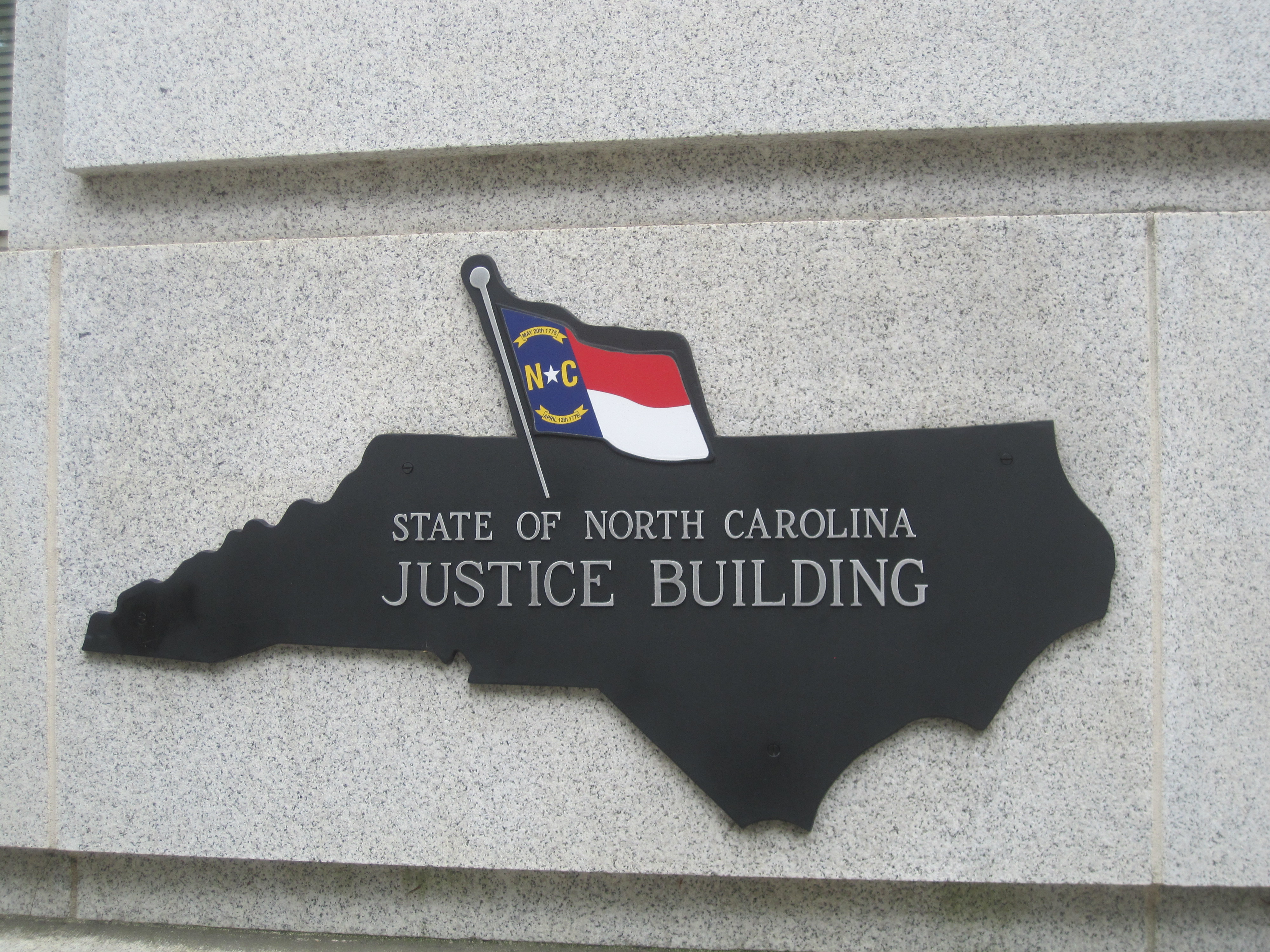
Cabarrus County voters will decide a North Carolina Supreme Court seat on Tuesday, Nov. 3, with early voting opening Thursday, Oct. 15.
Associate Justice Anita Earls, a Democrat seeking her second eight-year term, faces former state Rep. Sarah Stevens, a Republican from Mount Airy. The outcome could reshape the court ahead of 2028, when three seats will be on the ballot and partisan control will be at stake.
The court holds a 5-2 Republican majority. A Stevens win would push that to 6-1, forcing Democrats to sweep all three 2028 races to reclaim a majority, The Center Square reported.
Who are the candidates?
Earls spent decades as a civil rights attorney focused on voting rights before her 2018 election to the court. She founded the Southern Coalition for Social Justice, a nonprofit law firm that litigated landmark North Carolina voting cases, according to the Independent Tribune.
She says she is not beholden to any political ideology and has campaigned on protecting equal justice under the law.
Stevens served nearly 30 years in the state House, where she held leadership roles including speaker pro tem and chaired the House Judiciary Committee. She resigned her seat this summer to focus on the Supreme Court campaign. Justice Tamara Barringer, a Republican, encouraged her to run.
Stevens has described her philosophy as "constitutional conservative," telling the Independent Tribune a judge should be "a referee" who rules on what the law says so everyone knows what to expect.
Neither candidate had served as a judge before running for the Supreme Court.
Five of the court's seven current justices reached the bench the same way.
Where they disagree
Earls argues Stevens would act as a rubber stamp for the Republican-controlled legislature, pointing to Stevens' work on the state's 12-week abortion ban and Republican-drawn electoral maps. Stevens counters that Earls and the court's prior Democratic majority overstepped by striking down legislative actions.
In a September interview reported by WFAE, Stevens said she would recuse herself only from cases involving bills she personally authored, not from legislation she voted on as one of 170 lawmakers.
Earls has also faced scrutiny. In 2023, the Judicial Standards Commission investigated her over public comments about diversity in the judiciary. She sued, arguing the probe violated her First Amendment rights. The commission dropped the investigation, and Earls withdrew her lawsuit.
Fundraising gap
As of July filings, Earls had more than $3.5 million in available campaign cash compared to less than $258,000 for Stevens, The Assembly reported. Stevens had not run any television ads as of early October. Earls has held or attended roughly 200 campaign events since announcing her reelection bid in October 2024, according to her campaign.
Two September polls showed Earls leading. A Catawba College-YouGov survey found Earls at 44% and Stevens at 36%, with nearly 20% undecided, the Salisbury Post reported. A Carolina Journal/Harper Polling survey showed a similar spread: 47.2% to 36.4%.
How to vote
Early voting runs Oct. 15 through Oct. 31 at four Cabarrus County locations, according to county voting information compiled by tmonks4nc.com: Cabarrus EMS HQ Station 9 on Cabarrus Avenue West in Concord, Afton Ridge Active Living Center and Library in Kannapolis, Cabarrus Arena & Events Center on NC Highway 49 in Concord and Rowan-Cabarrus Community College at the NC Research Campus in Kannapolis.
Weekday hours are 8 a.m. to 7:30 p.m. Saturday hours are 8 a.m. to 5 p.m. on Oct. 17 and Oct. 24, and 8 a.m. to 3 p.m. on Oct. 31. Voters who missed the Oct. 9 registration deadline can register and vote during early voting through same-day registration. The absentee ballot request deadline is 5 p.m. Tuesday, Oct. 20. Election Day polls open 6:30 a.m. to 7:30 p.m.